The Clock Is Part of the Prescription: How Medication Timing Shapes Whether Your Treatment Actually Works
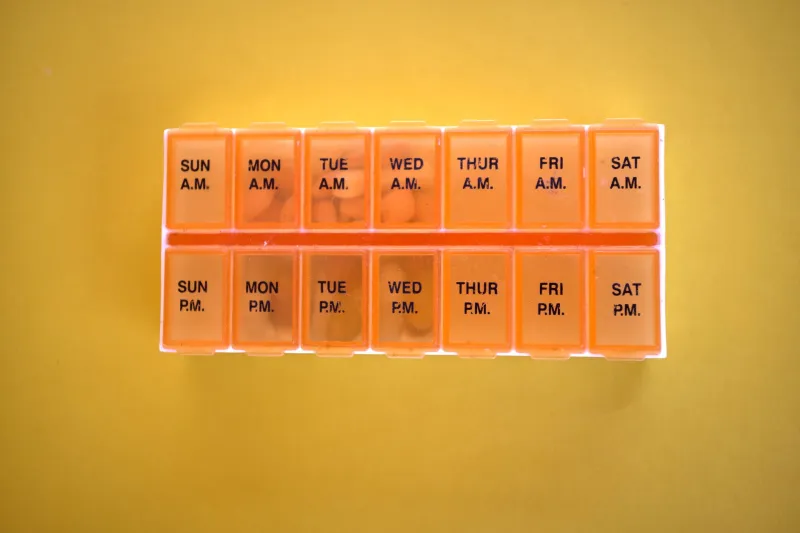
When a physician hands a patient a prescription, the conversation typically centers on dosage and duration. Take two tablets. Take them for ten days. Do not skip doses. What rarely follows is an equally important set of instructions: take this particular pill at this particular time of day, separated from that particular food, and never alongside that other medication you picked up last month.
For millions of Americans managing one or more chronic conditions, this missing conversation is not a minor oversight. It is a gap that can quietly undermine months of treatment, produce unexpected side effects, or—in some cases—render a medication nearly useless before it ever reaches its intended target in the body.
At TrueMedo, our licensed physicians regularly encounter patients who are technically compliant with their prescriptions yet still experiencing suboptimal results. More often than not, the culprit is timing.
Why Absorption Windows Are Not a Suggestion
Every medication travels a path through your body before it reaches the site where it is meant to act. That path—through the stomach, the small intestine, the liver, and eventually the bloodstream—is shaped by your body's chemistry at the moment the drug enters it. Food, other medications, stomach acid levels, and even the natural rhythms of your organ function can either accelerate, slow, or block that journey entirely.
Pharmacologists refer to this as bioavailability: the proportion of a drug that actually enters systemic circulation in an active form. A medication with low bioavailability taken under the wrong conditions may deliver only a fraction of its intended therapeutic effect. You are still paying for the full dose. You are not receiving it.
The timing of ingestion directly influences bioavailability. Some medications require an empty stomach to be absorbed efficiently. Others need food to reduce irritation or to trigger the bile release that aids fat-soluble compound absorption. Still others must be separated from specific nutrients by several hours—not because the label says so, but because the underlying chemistry demands it.
Common Timing Mistakes That Physicians Frequently Identify
Antibiotics and dairy products. Fluoroquinolone antibiotics—a class that includes ciprofloxacin, commonly prescribed for urinary tract infections and certain respiratory conditions—bind readily to calcium ions. When taken with milk, yogurt, or calcium-fortified orange juice, the drug forms an insoluble compound that the body cannot absorb effectively. The antibiotic passes through the system largely intact and therapeutically inactive. Patients who take their full course of antibiotics alongside their morning cereal and glass of milk may be unknowingly enabling bacterial survival.
Statins and grapefruit. This interaction is one of the most widely cited in clinical practice, yet patient awareness remains surprisingly low. Grapefruit—and its close relative, Seville orange—contains compounds called furanocoumarins that inhibit an enzyme in the intestinal wall responsible for metabolizing many statin medications, including atorvastatin and simvastatin. When that enzyme is blocked, drug concentrations in the bloodstream can rise to levels far above what was prescribed, dramatically increasing the risk of muscle damage, liver stress, and other adverse effects. A single glass of grapefruit juice consumed hours before or after a statin dose can sustain this inhibitory effect for an extended period.
Thyroid medications and morning routines. Levothyroxine, prescribed to millions of Americans for hypothyroidism, is among the most timing-sensitive medications in common use. It must be taken on a completely empty stomach—typically thirty to sixty minutes before any food or beverage other than water—and must be separated from calcium supplements, iron supplements, antacids, and certain other medications by at least four hours. Taking levothyroxine with a morning coffee, even black coffee, has been shown in clinical studies to reduce absorption meaningfully. Many patients who feel their thyroid condition is poorly controlled are simply taking their medication in a manner that prevents it from working.
Blood pressure medications and the body's internal clock. Research in the field of chronopharmacology—the study of how biological rhythms affect drug response—has produced compelling evidence that the timing of antihypertensive medications can influence cardiovascular outcomes. Blood pressure follows a predictable daily pattern, typically rising sharply in the early morning hours. Some studies suggest that taking at least one blood pressure medication at bedtime, rather than in the morning, may provide better overnight control and reduce the risk of cardiovascular events. This is an area where a physician's individualized guidance is particularly valuable, since optimal timing can vary based on a patient's specific medication class and blood pressure profile.
Iron supplements and competing nutrients. Iron absorption is notoriously competitive. Calcium, tannins found in tea and coffee, and certain antacid compounds all interfere with the body's ability to absorb iron from supplements or iron-rich foods. Vitamin C, conversely, enhances iron absorption. A patient taking iron supplements for anemia who washes them down with tea at breakfast may be receiving significantly less benefit than one who takes the same supplement with a small glass of orange juice on an empty stomach.
The Science Behind Chronopharmacology
Beyond individual drug-nutrient interactions, an emerging body of research is reshaping how clinicians think about medication scheduling more broadly. The human body operates according to circadian rhythms—roughly twenty-four-hour biological cycles that govern everything from hormone secretion and immune function to cell division and organ metabolism. These rhythms mean that the same drug administered at different times of day may produce different effects, different side effects, and different durations of action.
Oncologists, for example, have begun exploring timed chemotherapy administration to maximize tumor cell vulnerability while minimizing damage to healthy tissue. Cardiologists have long recognized that aspirin's antiplatelet effects are time-dependent in the context of morning cardiovascular risk. Allergists have noted that antihistamines taken at night may provide better next-morning symptom control for many patients.
This is not fringe science. It is an evolving clinical discipline with practical implications for the prescriptions sitting in your medicine cabinet right now.
Why Patients Are Rarely Told Any of This
The American healthcare system is structured around the prescription event—the moment a physician writes an order and a pharmacist fills it. What happens between that moment and the patient's actual ingestion of the medication is largely unaddressed by both parties. Physicians operating under time constraints in busy clinical settings often lack the minutes required to walk through a patient's daily routine and map their medications against it. Pharmacists, similarly, are frequently focused on dispensing accuracy and basic safety checks rather than individualized timing counseling.
The result is a vast population of patients who are technically adherent to their prescriptions but functionally receiving less than the full benefit of their treatment.
Building a Timing Framework With a Licensed Physician
The most effective way to address medication timing is through a direct, structured conversation with a licensed physician who has access to your complete medication list and understands your daily habits. This is precisely where a platform like TrueMedo provides meaningful value. Through a connected, documented consultation, a TrueMedo physician can review every medication you take—prescription, over-the-counter, and supplemental—and develop a timing schedule tailored to your specific routine, your dietary patterns, and the pharmacological requirements of each drug.
Practical steps you can take before that conversation include writing down every medication and supplement you take, noting the time of day you currently take each one, and listing the foods and beverages you routinely consume within two hours of each dose. That information, shared with a physician, becomes the raw material for a genuinely optimized medication schedule.
The prescription is only the beginning. The clock is part of the treatment. And in American healthcare today, most patients deserve a clearer answer to the question their doctor rarely thinks to ask: not just what are you taking, but exactly when are you taking it—and with what.