TrueMedo Real Doctors. Real Answers. Real Health.

TrueMedo

Real Doctors. Real Answers. Real Health.

Latest Articles

Do Not Wait It Out: How the First 48 Hours of Any New Symptom Can Define Your Recovery
Patient Education

Do Not Wait It Out: How the First 48 Hours of Any New Symptom Can Define Your Recovery

The instinct to wait and see before seeking medical attention is deeply embedded in American healthcare culture—and it costs lives. Across a wide range of conditions, from bacterial infections to cardiac events to autoimmune flares, the first 48 hours after symptom onset represent a window during which early evaluation dramatically changes outcomes. A physician-backed framework can help you determine when waiting is appropriate and when it is a risk you cannot afford.


Your Pharmacist Remembers What Your Doctor Doesn't Know: The Case for a Medication Home Base
Patient Education

Your Pharmacist Remembers What Your Doctor Doesn't Know: The Case for a Medication Home Base

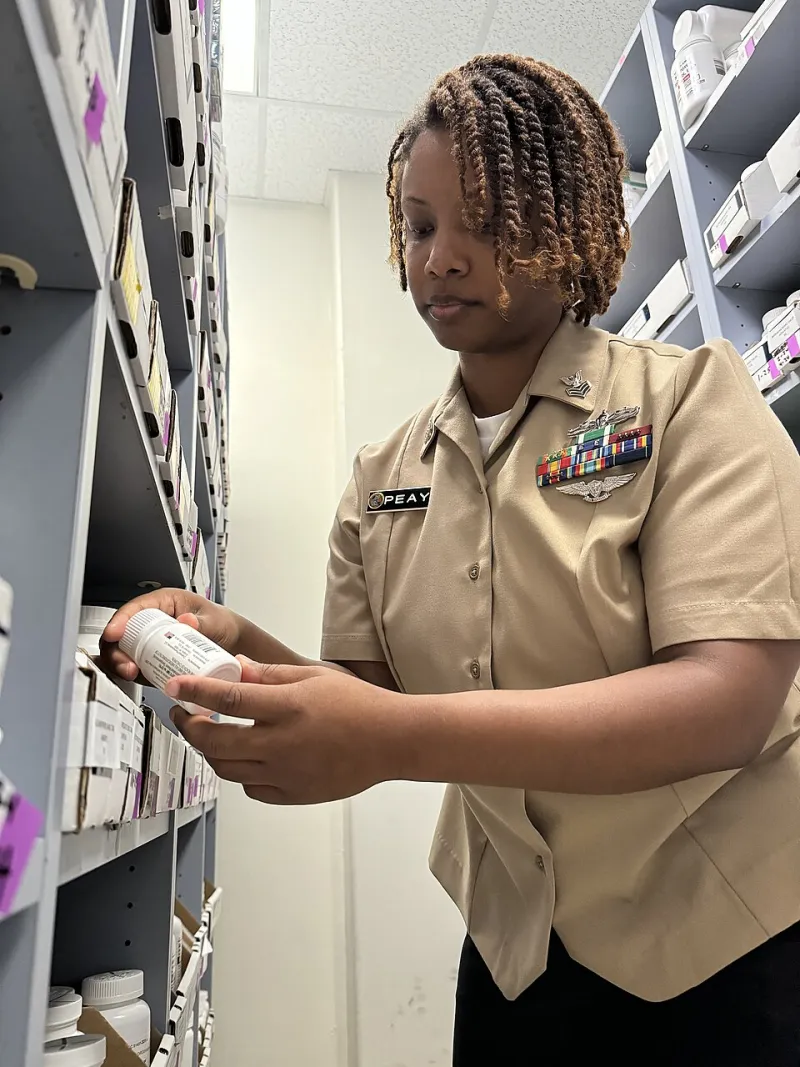
A consistent pharmacy relationship is one of the most underutilized safety mechanisms in American healthcare. When a single pharmacist holds your complete medication history, they can catch the dangerous interactions, duplicate prescriptions, and dosing errors that no individual prescriber ever sees. This guide explains why your pharmacy relationship may matter more than any single clinical appointment.

Managing Multiple Specialists Without Losing the Thread: A Patient's Coordination Playbook
Healthcare Costs & Access

Managing Multiple Specialists Without Losing the Thread: A Patient's Coordination Playbook

Patients managing care across multiple specialty practices face a coordination burden that the healthcare system was not designed to help them carry. When a cardiologist, an endocrinologist, and a rheumatologist each prescribe independently without visibility into one another's decisions, the patient becomes the only person in possession of the full clinical picture. This guide provides concrete strategies, key questions, and a practical medical summary framework to help patients take deliberate

Abandoned Before It Could Work: Why Patients Quit Treatments That Were Actually Helping Them
Patient Education

Abandoned Before It Could Work: Why Patients Quit Treatments That Were Actually Helping Them

Millions of Americans stop taking prescribed medications, supplements, and physician-recommended lifestyle interventions within the first few weeks—not because of side effects or affordability, but because no one ever followed up. Understanding why treatment abandonment happens, and how licensed physician oversight can prevent it, may be the most important conversation in American healthcare today.

Lost in Translation: How Critical Drug Safety Warnings Disappear Between Your Doctor's Office and the Pharmacy Counter
Patient Education

Lost in Translation: How Critical Drug Safety Warnings Disappear Between Your Doctor's Office and the Pharmacy Counter

When a pharmacist identifies a potentially dangerous drug interaction, there is no guaranteed system in place to ensure your prescribing physician ever finds out. This breakdown in communication between two of the most essential figures in your care can have serious—and sometimes irreversible—consequences. Understanding where the gap exists is the first step toward protecting yourself.

The Clock Is Part of the Prescription: How Medication Timing Shapes Whether Your Treatment Actually Works
Patient Education

The Clock Is Part of the Prescription: How Medication Timing Shapes Whether Your Treatment Actually Works

Most Americans focus on which medications they take—but mounting clinical evidence suggests that when you take them can be equally decisive for treatment outcomes. From statins and grapefruit to antibiotics and dairy, the timing traps hiding in everyday routines are rarely explained at the pharmacy counter. A licensed physician can help you build a schedule that turns your prescriptions into their full potential.

What's Actually in Your Medicine Cabinet? A Physician-Backed Framework for Auditing Your Medications Before Your Next Appointment
Patient Education

What's Actually in Your Medicine Cabinet? A Physician-Backed Framework for Auditing Your Medications Before Your Next Appointment

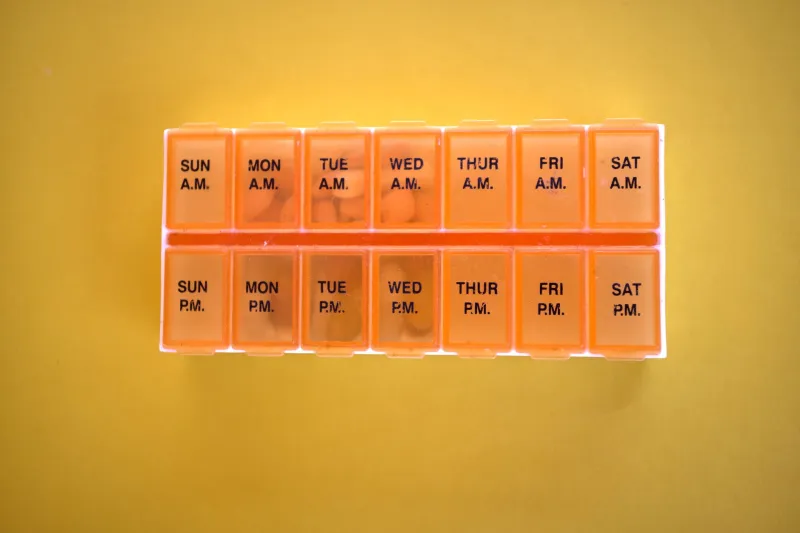
Most Americans keep medications they no longer need, can no longer identify, or have never thought to question. A structured self-audit of your prescriptions, supplements, and over-the-counter drugs can surface critical risks—but knowing when to stop and call a licensed physician is just as important as the inventory itself.

Prescribed Twice, Protected Never: The Hidden Danger of Duplicate Antibiotics Across Care Settings
Patient Education

Prescribed Twice, Protected Never: The Hidden Danger of Duplicate Antibiotics Across Care Settings

When a patient visits an urgent care clinic without a complete prescribing history on file, they may walk out with an antibiotic they have already taken—or one that dangerously conflicts with a current prescription. The 48-to-72-hour lag in prescription database updates creates a silent window of risk that affects millions of Americans every year. Understanding how this gap forms, and what integrated physician-led care can do to close it, may be the most important health literacy lesson of the d

Between the Prescription Pad and the Pill Bottle: What Changes—and Why You May Never Be Told
Patient Education

Between the Prescription Pad and the Pill Bottle: What Changes—and Why You May Never Be Told

A physician writes a prescription with a specific medication in mind. What arrives in your hands at the pharmacy counter may be an entirely different drug. Understanding the forces that alter prescriptions in transit—without your knowledge—is one of the most important steps you can take to protect your own health.

One Pill Leads to Another: The Quiet Danger of an Unreviewed Medication Stack
Patient Education

One Pill Leads to Another: The Quiet Danger of an Unreviewed Medication Stack

For millions of Americans, a medicine cabinet filled with a dozen or more prescriptions is not the result of a single deliberate plan—it is the accumulated consequence of years of fragmented care. When no single physician holds a complete view of every drug a patient is taking, the risk of harm grows with every new bottle added to the shelf. Understanding how this prescribing snowball forms is the first step toward stopping it.

Invisible Gaps: How Broken Health Record Systems Leave Your Doctor Working Blind
Patient Education

Invisible Gaps: How Broken Health Record Systems Leave Your Doctor Working Blind

Most Americans assume their medical records follow them seamlessly from one provider to the next. The reality is far more fragmented—and far more dangerous. Here is what patients need to know about the silent failures happening inside the systems meant to protect them.

Too Many Cooks: How Seeing Multiple Specialists Can Leave You With Fewer Answers
Patient Education

Too Many Cooks: How Seeing Multiple Specialists Can Leave You With Fewer Answers

For many Americans, the assumption is simple: more specialist opinions mean better healthcare. But mounting evidence—and the lived experiences of countless patients—tells a far more complicated story. When specialists operate in silos, the result is often conflicting advice, redundant testing, and a patient left to make sense of it all alone.

Hidden in Plain Sight: How Your Everyday Over-the-Counter Medications May Be Undermining Your Prescriptions
Patient Education

Hidden in Plain Sight: How Your Everyday Over-the-Counter Medications May Be Undermining Your Prescriptions

Millions of Americans reach for ibuprofen, antihistamines, or herbal supplements without a second thought—yet these familiar products can trigger serious, even life-threatening reactions when combined with prescription medications. Understanding why these interactions go undetected is the first step toward preventing them. A licensed physician's comprehensive medication review remains the most reliable safeguard available to patients today.

The First 72 Hours: Why the Opening Days of Any Illness Are the Most Consequential—and Why a Licensed Physician Should Be Guiding Them
Patient Education

The First 72 Hours: Why the Opening Days of Any Illness Are the Most Consequential—and Why a Licensed Physician Should Be Guiding Them

Most Americans spend the first several days of a new illness relying on rest, over-the-counter remedies, and internet searches before ever contacting a doctor. Research consistently shows that this delay can transform manageable conditions into serious medical emergencies—and that early physician involvement is one of the most powerful tools available for preventing that outcome.

Disconnected by Design: How the Silence Between Your Doctor and Pharmacist Is Putting Your Health at Risk
Patient Education

Disconnected by Design: How the Silence Between Your Doctor and Pharmacist Is Putting Your Health at Risk

Millions of Americans fill prescriptions each year without their pharmacist and physician ever exchanging a single word about their full medication history. The resulting communication gaps contribute to thousands of preventable adverse drug events annually—and most patients have no idea it is happening to them.

One Physician, One Record, One Patient: Why Medical Continuity Is the Most Undervalued Asset in American Healthcare
Patient Education

One Physician, One Record, One Patient: Why Medical Continuity Is the Most Undervalued Asset in American Healthcare

When a single physician knows your complete health history, the quality of your care changes in ways that are difficult to quantify but impossible to ignore. As America's healthcare system increasingly pushes patients through a revolving door of providers, the consequences—misdiagnoses, redundant testing, and preventable complications—are mounting. This article examines what medical continuity truly means, why it is disappearing, and how a connected approach to care can restore it.

Fragmented Care, Real Costs: What Happens to Your Health and Wallet When You Keep Changing Providers
Healthcare Costs & Access

Fragmented Care, Real Costs: What Happens to Your Health and Wallet When You Keep Changing Providers

Every time a patient switches providers mid-treatment—whether out of convenience, insurance changes, or frustration—they may be unknowingly triggering a cascade of redundant tests, missed diagnoses, and avoidable expenses. Licensed physicians at TrueMedo explain why care continuity is one of the most undervalued assets in American healthcare, and what fragmentation is truly costing patients both financially and clinically.

When the Algorithm Gets It Wrong: The Hidden Dangers of Relying on AI Symptom Checkers Instead of a Licensed Physician
Patient Education

When the Algorithm Gets It Wrong: The Hidden Dangers of Relying on AI Symptom Checkers Instead of a Licensed Physician

Millions of Americans now reach for a symptom-checking app before they ever consider calling a doctor. But mounting evidence suggests these AI-powered tools are quietly contributing to missed diagnoses, unnecessary emergency visits, and a dangerous erosion of clinical trust. Here is what the research reveals—and what a real physician brings to the table that no algorithm can replicate.

Caught in the System: How Diagnostic Delays Are Making Americans Sicker—And What Integrated Care Can Do About It
Patient Education

Caught in the System: How Diagnostic Delays Are Making Americans Sicker—And What Integrated Care Can Do About It

Millions of Americans spend weeks or months bouncing between urgent care clinics, specialists, and emergency rooms before receiving an accurate diagnosis. This fragmentation doesn't just waste time and money—it allows treatable conditions to progress into serious, sometimes irreversible complications. Understanding where the system breaks down is the first step toward navigating it more effectively.

Telehealth or the Exam Room? A Physician-Guided Decision Framework for Every Symptom
Healthcare Costs & Access

Telehealth or the Exam Room? A Physician-Guided Decision Framework for Every Symptom

The promise of telehealth is real—but so are its limitations, and conflating the two can lead to delayed diagnoses and inadequate care. This physician-informed guide cuts through the convenience narrative to help patients make genuinely sound decisions about when a video call is appropriate and when physical examination is non-negotiable. The answer is more nuanced than either telemedicine advocates or their critics typically acknowledge.