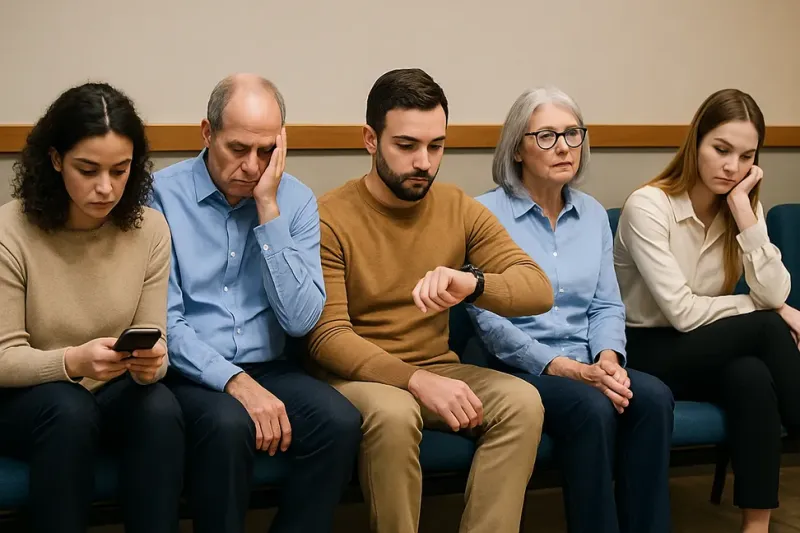
Disconnected by Design: How the Silence Between Your Doctor and Pharmacist Is Putting Your Health at Risk
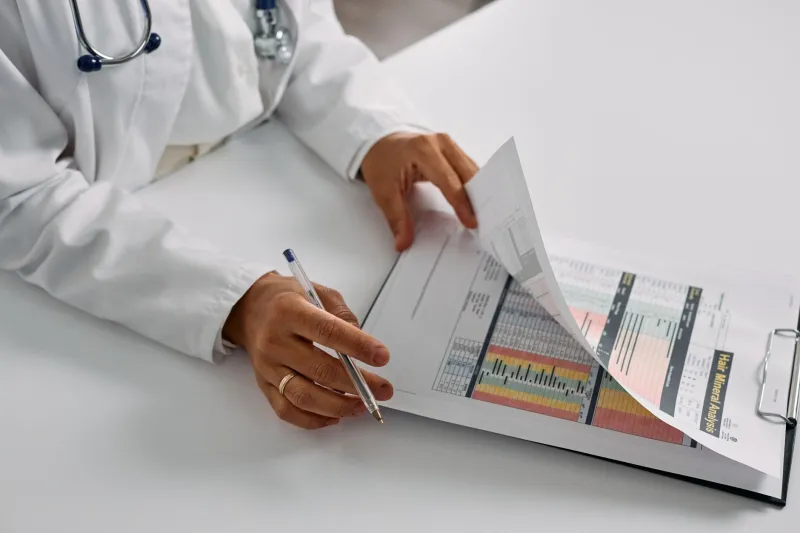
Every year, an estimated 1.5 million Americans experience a preventable medication error. Not all of those errors originate in a laboratory or an operating room. A significant number begin in the quiet space between two professionals who are both trying to help you—your prescribing physician and your pharmacist—but who, far too often, are not communicating with each other.
At TrueMedo, our licensed physicians frequently encounter patients who are surprised to learn that the specialist who prescribed their blood thinner has no reliable mechanism for knowing what their primary care doctor prescribed last month, or that their neighborhood pharmacy has no visibility into the hospital discharge medication list from two weeks ago. This is not negligence on anyone's part. It is a structural problem embedded deeply in the American healthcare system—and it is one that patients deserve to understand.
The Architecture of Silence
The United States does not operate on a single, unified electronic health record system. Hospitals, independent clinics, urgent care centers, and retail pharmacies frequently use incompatible software platforms that do not communicate in real time. A physician practicing at a large academic medical center may be entirely unaware that their patient is also receiving care—and prescriptions—from a telehealth provider, a dermatologist across town, or a pain management clinic in another state.
Pharmacists, for their part, are among the most accessible and knowledgeable healthcare professionals in the country. They are trained to identify drug interactions and flag potential dosage concerns. However, a pharmacist can only work with the information available to them at the point of dispensing. If a patient fills one prescription at a Walgreens and another at a CVS, neither pharmacist has a complete picture. The patient, standing at the counter, becomes the accidental keeper of their own medication record—often without realizing it.
When the Gaps Become Dangerous
Consider the experience of a 67-year-old retired teacher in Ohio—a patient whose story is representative of a pattern TrueMedo clinicians encounter regularly. She was managing hypertension with a medication prescribed by her cardiologist and separately treating osteoarthritis pain with an over-the-counter NSAID recommended by her primary care physician. Neither provider had been informed of the other's recommendation. Neither pharmacist had access to both prescriptions. Within three months, she was hospitalized with acute kidney injury—a known consequence of the interaction between certain antihypertensive agents and NSAIDs when taken together over time.
Her story is not exceptional. It is, unfortunately, common.
Duplicate therapy is another underappreciated consequence of fragmented communication. Patients who see multiple providers for chronic conditions sometimes end up on two medications from the same drug class—a practice that increases the risk of side effects without meaningfully improving outcomes. In other cases, a medication that was discontinued by one provider continues to be refilled at a pharmacy that was never notified of the change.
The Role of Integrated Digital Care
This is precisely where modern telemedicine platforms, when designed responsibly, can make a measurable difference. A digital health provider that maintains a comprehensive, longitudinal medication record—one that is updated in real time and accessible to every licensed professional involved in a patient's care—removes much of the guesswork that currently places patients at risk.
At TrueMedo, our clinical model is built on the principle that a physician treating you today should have immediate access to the complete medication history that informed every decision made about your health yesterday. That is not a technological luxury. It is a basic standard of safe care. When a prescribing physician can see, at a glance, every active medication a patient is taking—including supplements, over-the-counter drugs, and prescriptions from other providers—the likelihood of a harmful interaction drops substantially.
Integrated platforms can also facilitate direct, documented communication between prescribers and dispensing pharmacists. Rather than relying on a faxed prescription and a brief phone call, a well-designed system creates a shared record that both parties can access, annotate, and act upon. This is not a hypothetical future. It is a capability that exists today and is already being deployed by forward-thinking healthcare organizations.
What You Can Do Right Now
While systemic reform continues to evolve, patients can take concrete steps to reduce their personal exposure to medication-related harm.
Maintain a single, comprehensive medication list. Write down every prescription drug, over-the-counter medication, vitamin, and herbal supplement you take—including dosages and frequency. Keep this list updated and bring it to every medical appointment, including telehealth visits.
Use one pharmacy whenever possible. Consolidating your prescriptions at a single pharmacy allows the pharmacist to run a complete interaction check against your full medication profile. If you must use multiple pharmacies, inform each one about medications dispensed elsewhere.
Ask your physician directly. At each appointment, ask your provider to review your complete medication list and confirm that they are aware of every prescription you are currently taking, regardless of who wrote it. Do not assume this review happens automatically.
Request a medication reconciliation. This is a formal process, often performed by a pharmacist or nurse, in which your entire medication list is reviewed for safety, accuracy, and necessity. It is especially important following a hospitalization, a new diagnosis, or any change in your care team.
Leverage your patient portal. Most health systems and digital care platforms now offer patient portals where you can view, update, and share your medication history. If your provider offers this feature, use it actively rather than passively.
A Physician's Perspective
Licensed physicians who practice through integrated platforms like TrueMedo consistently identify medication reconciliation as one of the highest-yield interventions in preventive care. The conversation is rarely dramatic. It does not involve exotic diagnoses or complex procedures. It involves asking a patient to describe, in plain language, every pill they take each morning—and then cross-referencing that account against the clinical record.
What that simple conversation reveals is often startling: duplicate prescriptions, discontinued medications still being taken, dangerous combinations that slipped through the cracks of a fragmented system. The fix, in many cases, is straightforward. The damage, when the conversation does not happen, can be permanent.
Toward a More Connected Standard of Care
The silence between prescribers and pharmacists is not inevitable. It is a product of historical infrastructure decisions, competing commercial interests, and a healthcare system that has long prioritized episodic treatment over continuous, coordinated care. Closing that gap requires investment at the policy level, adoption of interoperable health record systems, and a cultural shift within the medical community toward treating medication management as a shared, ongoing responsibility.
Until that shift is complete, the most powerful safeguard available to you is an informed, engaged patient who understands the risks and advocates actively for their own safety. At TrueMedo, our physicians are committed to being your partner in that effort—not just as a prescriber, but as a collaborator in the fullest sense of the word.
Your medication list tells the story of your health. Make sure everyone treating you has read it.